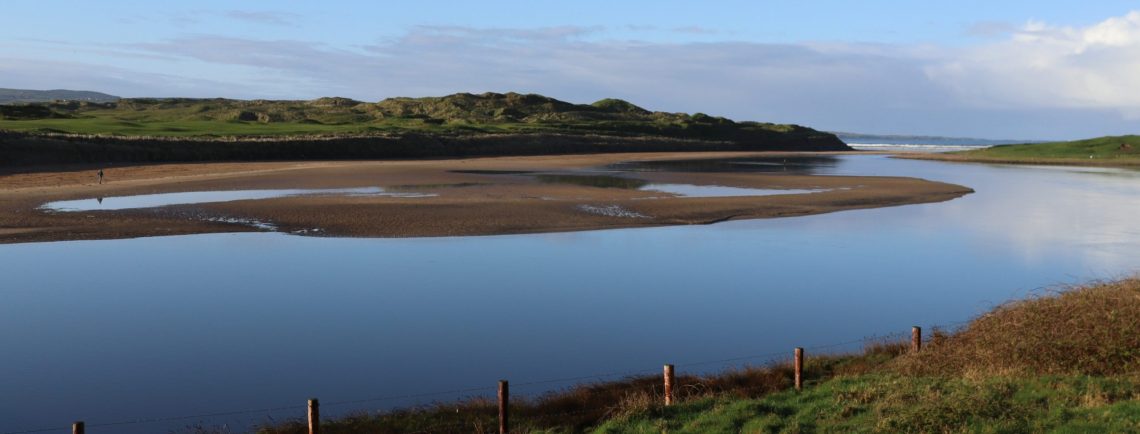
Article by Emma Hart for the Farmers Journal on farm-scale water measures: https://www.farmersjournal.ie/farm-programmes/footprint-farmers/wading-into-wetland-solutions-on-footprint-farms-784838
-
-
First published on December 12, 2024 in Horticulture Connected. Link below. In a changing world that urgently needs both local food and space for nature, Féidhlim Harty finds ways to combine these needs by using proxies in small-scale rewilding initiatives. Rewilding is a term that excites as much reticence as enthusiasm, depending on your perspective. To the lover of nature, rewilding promises ecological recovery, escape from the threat of an unfolding mass extinction event, and a reprieve for biodiversity. To many in the farming community, rewilding poses a threat to a familiar way of life, a final push away from…
-
Our waterways are in crisis. Only about 1% of Ireland’s rivers and streams are pristine; down from nearly 15% in the 1980s. Despite a legal obligation to achieve “good” status for our waterways by 2027, we’ve hovered around only 55% of waterways at this status since 1987. The targets aren’t just to keep within EU law; they are essential to rebuilding habitat for vulnerable aquatic wildlife and for helping support Irish biodiversity and for our own water quality needs. So if we’ve tried for nearly 30 years to achieve improvements in water quality with essentially zero success, why should we…
-
Following on from the first post in our water miracle series (It’ll take a miracle… and we can do that) – how do we go from the knowledge of the solutions needed to achieving practical change? Here are five things we can do in any given scenario listed above to help move the country towards the water miracle needed: 1. Practice voluntary simplicity How can that help? Well, by minimising the trail of stuff in our lives, right back to source, we can begin to live without unnecessary ingredients in our foodstuffs (avoiding food with chemicals added during growing, avoiding…
-
This is the text of a talk which was given to the Eco-Quaker group in summer 2020. Re-imagining Society Sustainably Imagining a future as clear,clean and beautiful as can be,with wholesome human interactions,enjoyment of natureand our needs met from the abundant earth. As we look at the state of the world around us and the impacts we are having on the natural world andone another, it can be quite overwhelming. It can often be difficult to know how to best respond. I’dlike to suggest five things that we can do in our own lives that can make a difference. Firstly,…
-
Video from Feidhlim’s talk at the recent Skerries Eco Night – Turning the Tide Together – what can we do; Sept 28th 2024. Slides to this event are below:
-
So let’s assume that we want clean water leaving our home or business. That’s pretty much a given.Within that context we need a sewage or sanitation system that works well, but we also want to gofurther. The two main steps beyond conventional sewage options are zero energy inputs andadditional benefits for the environment in terms of biodiversity or materials outputs. In order of preference, here are five places to start: The first obvious place to start is dry compost toilet systems. These do not use any water; in thiscontext select a system that also avoids high energy inputs; and provide…
-
Here’s a copy of a presentation given recently in Knocklyon, Dublin with the report underneath:
-
Féidhlim Harty explores the potential for (re)introductions of beavers into the Irish landscape – and offers some workarounds for doing their work while we wait. Published in Horticulture Connected on June 6, 2024 (link below). Without wanting to overstate the obvious: beavers are amazing landscape engineers. For those new to the subject, these small, vegetarian, water-loving animals play a role within the landscape that is way above what you’d expect from their shy, secluded demeanours. The dams that beavers build in rivers and streams are just the right design for flood prevention; holding water during downpours and then allowing some…
-
First published in Horticulture Connected on August 24, 2023 Mopping up sewage pollution, sequestering carbon and promoting biodiversity – willow wastewater systems are the solution we need for one-off houses in the countryside. WORDS: Féidhlim Harty. We seem to be on a whole suite of collision courses, including housing, climate, biodiversity and water pollution. Many young people in rural areas are looking at family land, with no prospect of being allowed to build due to poor soil percolation characteristics. The Environmental Protection Agency’s (EPA) Code of Practice: Domestic Waste Water Treatment Systems is a government guidance document. It outlines methods…