Whether you have a window-box or half a planet to work with, there is the potential to create space for nature and regenerate natural ecosystems wherever you are. FH Wetland Systems offers consultancy, workshops and resources to help support you, your community, farm or local area to create space for nature and to find more nature-friendly ways to farm, garden or design edible planting elements within public and urban areas:
Habitat Creation and Enhancement
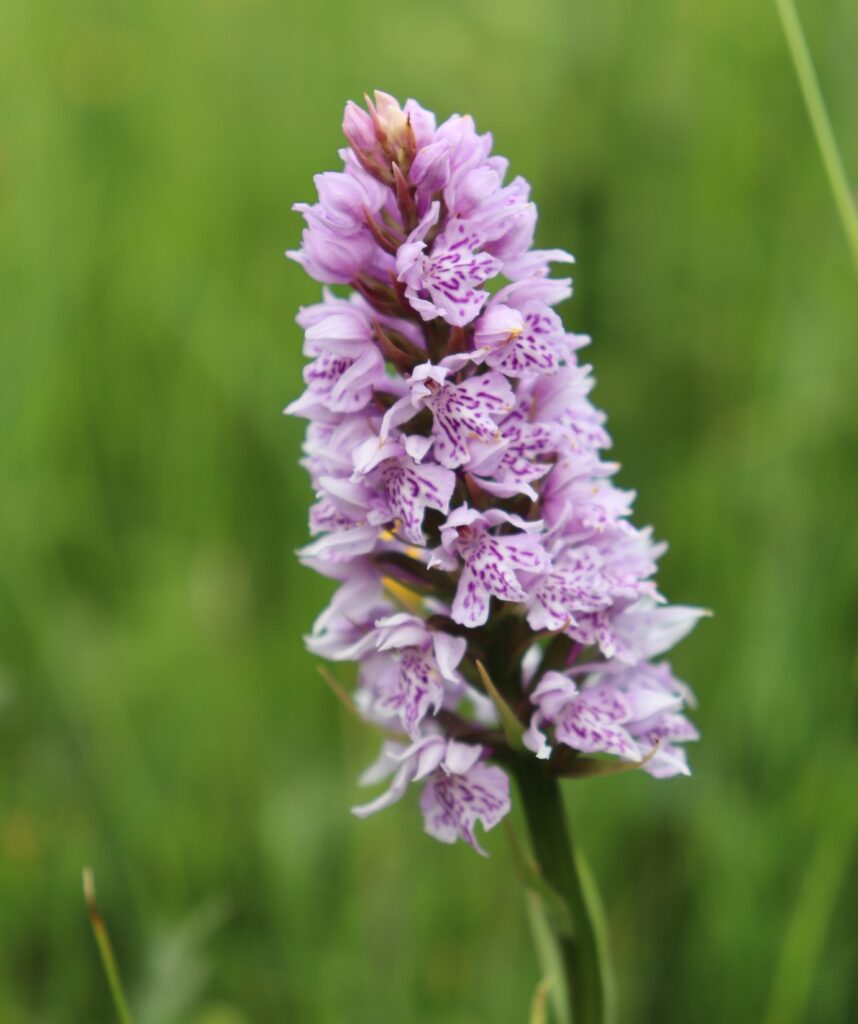
Habitats can be added into our urban and farming landscapes in many ways. Sometimes a minor tweak in management can make a major difference for nature. As an example, something as simple as shifting your mowing patterns in parks or business premises from fortnightly to annually (with a single cut in mid September) can change a monocultural lawn with very limited nature value into a biodiverse flowering oasis for wildflowers, bees, butterflies and birds. Where summer lawns are wanted so that children can kick around a ball, a spring meadow can be left un-cut until mid June or thereabouts, and then cut during the summer months as usual to create an open space for sports, gatherings or public space. Similar measures can work wonders for wildlife on farms.
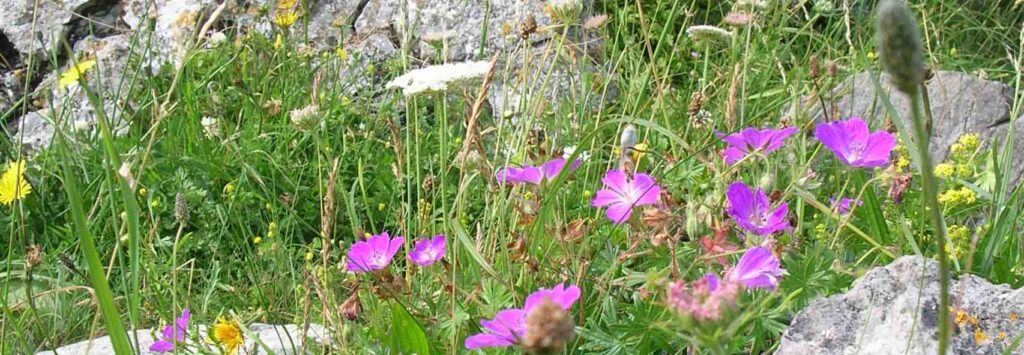
Another way to explore opportunities for nature is to examine water flows within the landscape. Instead of draining rainwater straight into underground piped systems we can keep water flows open to the air, the light and to the wildlife that needs it. Swales can convey water through our parks or urban areas, filtering it en route. Bioretention areas or Rain Gardens can provide soakage into the underlying groundwater, water filtration and mini wetland oases for dragonflies and wetland plant species. While these are part of a suite of stormwater measures which can be used on a site, the focus can be overtly for habitat and wildlife rather than filtration per se.
Habitat management practices can offer low maintenance, wildlife friendly solutions on parks, industrial estates, farms, golf courses, school grounds and other areas, enhancing the area for wildlife and making them more beautiful for the people who visit them.
Permaculture and Edible Landscapes
Ponds
Ponds are an amazing wildlife feature that anybody can add to their garden or farm. The larger the pond, the greater the species diversity will be, so if you have the space, let loose your ambitions and imagination. Here are some resources to help you enhance the biodiversity of your space with a pond.
Farm- and community-scale pond guidelines: Hare’s Corner Pond Notes June24
For sites with free draining soils, this 1-page design for plastic lined Hare’s Corner pond provides a useful overview. For clay lined ponds refer to the Pond Notes above.
Here’s a video we put together with Tony Whelan of Canola Pictures for the BurrenBeo Hare’s Corner project: The Hare’s Corner Pond Digger Drivers Guide. It’s designed to be a useful guide for digger drivers for lined pond installations. For unlined ponds the process is easier (and more eco-friendly). Just compact the base if you have good clay soils instead of laying the liner and otherwise proceed in a similar manner to that outlined in the video.
Video for BurrenBeo Trust: Do’s and Don’ts of Ponds
Video with Green Foundation Ireland: Ponds for Farms and Communities
Rewilding
The term rewilding is a relatively new one, first appearing in print in 1990. With the 3 Cs of rewilding being identified as Core, Corridor and Carnivores, it specifically referred to large scale endeavours to create Core protected space for nature, Corridors between those spaces, and the reintroduction of the missing species (most notably the Carnivores or Keystone species – including the vegetarian beaver, which is also a keystone species) that originally formed part of the web of life within those regions. The wolf is not a poster-animal of rewilding for nothing; rather she is a crucial component of a self-willed wild space in which the larger herbivores would otherwise denude the landscape in short order. Indeed, the absence of top predators from many protected spaces in the world, be they wolf, bear or human, has led to a notable decline in the overall health of those habitats.
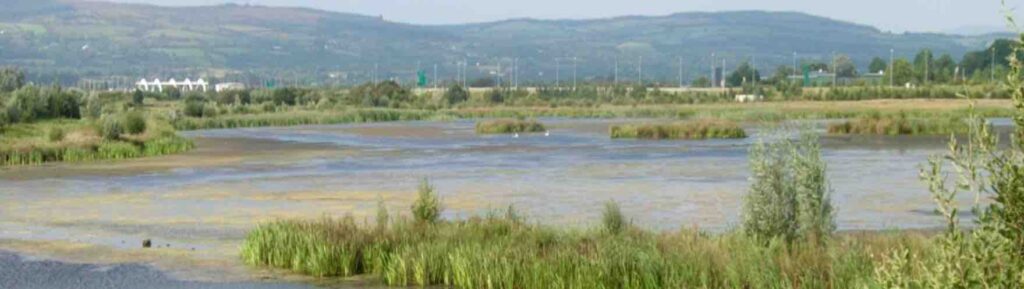
Ecologist and writer EO Wilson has called for a Half-Earth policy, to dedicate half of the planet as space for nature, in a natural “wild” state to ensure that the biological diversity of life can thrive; and half for people, including space for housing, crops and livestock. With such a measure we can restore habitats, protect biodiversity, sequester atmospheric carbon in soil and plants, and generally make the planet more liveable in for ourselves and for every other species.
While rewilding can sometimes be a contentious subject it offers vital protected space for uninterrupted natural dynamics to unfold. It also offers tools and teaching for land management for our food production and other human needs as we look towards a future that calls us to act with imagination, ingenuity and integrity.
Rewilding Europe offers a wealth of beautiful examples of the main large scale rewilding endeavours across the continent. Closer to home, the Wild Nephin project in the Ballycroy National Park is a step towards this type of initiative in Ireland. FHWS can provide guidance and advice on your own rewilding initiatives, whether they be large or small.
Article link: A Beginners Guide to Rewilding.
If you don’t have space for a wolf pack, then explore how proxies for wolves, bison or other larger animals can provide similar functions within the landscape.
Waterway Rewilding
In waterway rewilding the 3 Cs become Clean water, Continuous unobstructed river flows, Connected to the wider floodplain. We can use these 3 Cs of waterway rewilding to assess the health of our own local river catchment, exploring water quality, examining for barriers to fish migration, and assessing whether the river is stuck in a deepened straightened channel or can flood comfortably (albeit modestly) out into a wider flood plain.

Waterway rewilding is also an invaluable component of our wider rewilding projects and endeavours. An easy way to introduce wildlife corridors throughout Ireland to connected core protected habitat spaces is to utilise and enhance the existing network of rivers and streams that already spans the countryside. By creating 10-50m of a protected riparian buffer zone along river margins we could very quickly improve the lot of nature in Ireland. In many instances, this is often damp ground that is not ideal for farming purposes anyway. Historic farm payment structures have tended to value productive land over all other concerns, but increasingly there is a value being put on the many other things that land can offer: flood control, water supply resilience, carbon sequestration, water filtration, fish stock protection, tourism and amenity enhancement, as well as the many benefits for nature and our wild selves.
Examples of some FHWS water waterway rewilding projects include Baggot Estate in Limerick City, a two acre wetland designed to enhance the wildlife value of an area adjacent to the Ballinacurra Creek. Also in Limerick is a 60 acre site beside the Shannon Tunnel, incorporating lakes, islands, marsh areas, wet grasslands, woodland and scrub. This was land used as temporary stilling pools for sediments pumped out during the tunnel construction phase and later returned to ecological habitat. The Tullamore Living River Project in Co. Offaly is a riparian wetland built alongside the river as it leaves Tullamore Town centre. In recent years there has been a huge interest in ponds for farms, communities and gardens, which provide corridors in the form of stepping stones for wetland species between larger aquatic habitats.
Related article links: River Rewilding and Being the beaver