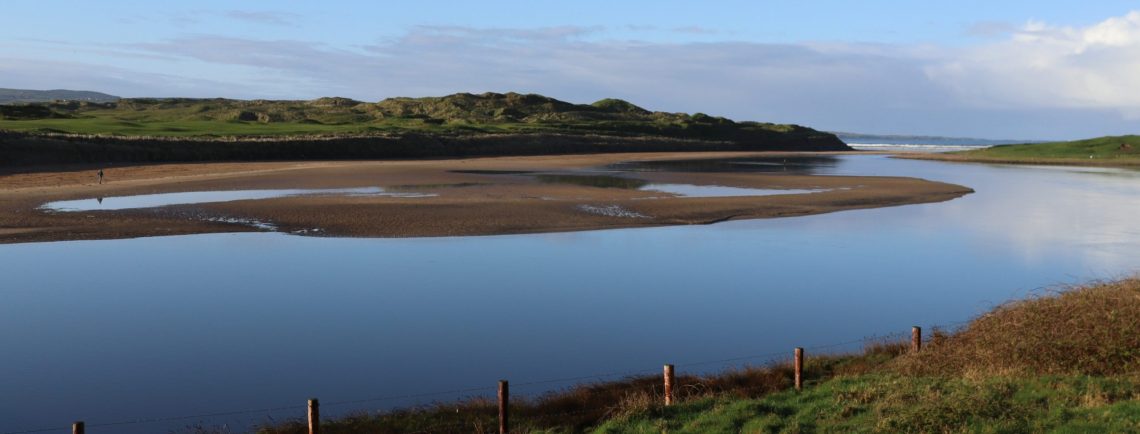
Farm scale buffer zones such as those funded by the Waters EIP and ASSAP offer a great way to improve water quality, reduce flooding and drought conditions in the wider catchment and introduce habitat on your farm. Similarly, habitat enhancement measures often offer similar benefits for water and hydrodynamics even though the focus is more overtly on supporting wildlife. While FH Wetland Systems can advise on both of these, there is a whole suite of things that can be done on your farm to improve water quality that are worthy of further research. Online resources can help to provide guidance,…
-
-
Keeping freshwater clean starts at source. Essentially every toilet or kitchen sink is a spring within the catchment, flowing down to our percolation area or town sewer and on to our local river. The aim is to keep these springs as clean as possible; or at least to filter them if they get polluted by use within our homes. Many conventional sewage treatment methods offer excellent filtration properties, but can be expensive and energy intensive to implement and maintain. Nature Based Solutions such as reed beds, wetlands and willow systems can be used for treatment of domestic septic tank effluent…
-
Our waterways are in crisis. Only about 1% of Ireland’s rivers and streams are pristine; down from nearly 15% in the 1980s. Despite a legal obligation to achieve “good” status for our waterways by 2027, we’ve hovered around only 55% of waterways at this status since 1987. The targets aren’t just to keep within EU law; they are essential to being rebuilding habitat for vulnerable aquatic wildlife and for helping support Irish biodiversity and for our own water quality needs. So if we’ve tried for nearly 30 years to achieve improvements in water quality with essentially zero success, why should…
-
Article by Emma Hart for the Farmers Journal on farm-scale water measures: https://www.farmersjournal.ie/farm-programmes/footprint-farmers/wading-into-wetland-solutions-on-footprint-farms-784838
-
When we look at water quality we often forget that it’s not just related to what we dump into rivers or streams locally that is the issue. Water quality in our rivers and streams will depend on what happens within the wider catchment; all of the land use from the tops of the surrounding hills down to the river bed and everything in between. Not only that, but on a wider level, our purchasing habits have a direct bearing on water quality far away from our local area. The mindmaps below have been prepared as part of webinars on ecology,…
-
First published on December 12, 2024 in Horticulture Connected. Link below. In a changing world that urgently needs both local food and space for nature, Féidhlim Harty finds ways to combine these needs by using proxies in small-scale rewilding initiatives. Rewilding is a term that excites as much reticence as enthusiasm, depending on your perspective. To the lover of nature, rewilding promises ecological recovery, escape from the threat of an unfolding mass extinction event, and a reprieve for biodiversity. To many in the farming community, rewilding poses a threat to a familiar way of life, a final push away from…
-
Our waterways are in crisis. Only about 1% of Ireland’s rivers and streams are pristine; down from nearly 15% in the 1980s. Despite a legal obligation to achieve “good” status for our waterways by 2027, we’ve hovered around only 55% of waterways at this status since 1987. The targets aren’t just to keep within EU law; they are essential to rebuilding habitat for vulnerable aquatic wildlife and for helping support Irish biodiversity and for our own water quality needs. So if we’ve tried for nearly 30 years to achieve improvements in water quality with essentially zero success, why should we…
-
Following on from the first post in our water miracle series (It’ll take a miracle… and we can do that) – how do we go from the knowledge of the solutions needed to achieving practical change? Here are five things we can do in any given scenario listed above to help move the country towards the water miracle needed: 1. Practice voluntary simplicity How can that help? Well, by minimising the trail of stuff in our lives, right back to source, we can begin to live without unnecessary ingredients in our foodstuffs (avoiding food with chemicals added during growing, avoiding…
-
This is the text of a talk which was given to the Eco-Quaker group in summer 2020. Re-imagining Society Sustainably Imagining a future as clear,clean and beautiful as can be,with wholesome human interactions,enjoyment of natureand our needs met from the abundant earth. As we look at the state of the world around us and the impacts we are having on the natural world andone another, it can be quite overwhelming. It can often be difficult to know how to best respond. I’dlike to suggest five things that we can do in our own lives that can make a difference. Firstly,…
-
Video from Feidhlim’s talk at the recent Skerries Eco Night – Turning the Tide Together – what can we do; Sept 28th 2024. Slides to this event are below: