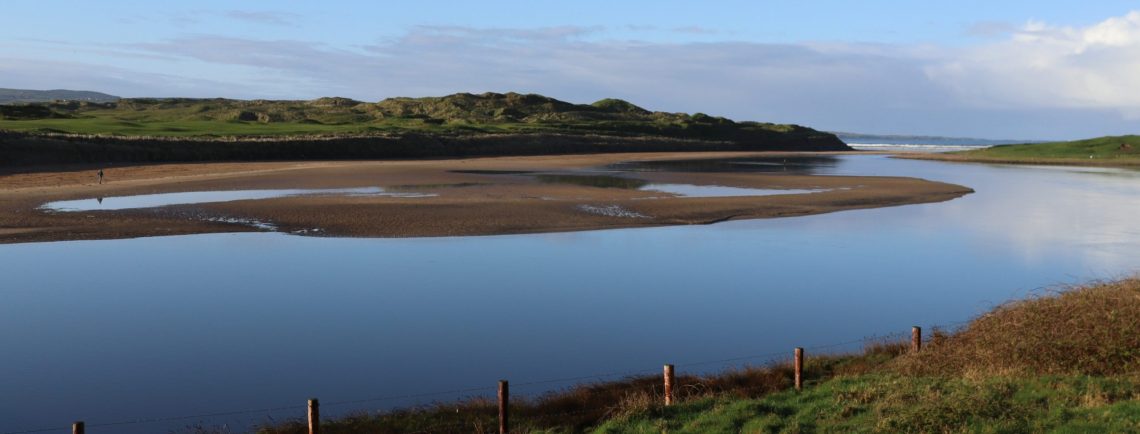
Our waterways are in crisis. Only about 1% of Ireland’s rivers and streams are pristine; down from nearly 15% in the 1980s. Despite a legal obligation to achieve “good” status for our waterways by 2027, we’ve hovered around only 55% of waterways at this status since 1987. The targets aren’t just to keep within EU law; they are essential to rebuilding habitat for vulnerable aquatic wildlife and for helping support Irish biodiversity and for our own water quality needs. So if we’ve tried for nearly 30 years to achieve improvements in water quality with essentially zero success, why should we…
-
-
So let’s assume that we want clean water leaving our home or business. That’s pretty much a given.Within that context we need a sewage or sanitation system that works well, but we also want to gofurther. The two main steps beyond conventional sewage options are zero energy inputs andadditional benefits for the environment in terms of biodiversity or materials outputs. In order of preference, here are five places to start: The first obvious place to start is dry compost toilet systems. These do not use any water; in thiscontext select a system that also avoids high energy inputs; and provide…
-
First published in Horticulture Connected on August 24, 2023 Mopping up sewage pollution, sequestering carbon and promoting biodiversity – willow wastewater systems are the solution we need for one-off houses in the countryside. WORDS: Féidhlim Harty. We seem to be on a whole suite of collision courses, including housing, climate, biodiversity and water pollution. Many young people in rural areas are looking at family land, with no prospect of being allowed to build due to poor soil percolation characteristics. The Environmental Protection Agency’s (EPA) Code of Practice: Domestic Waste Water Treatment Systems is a government guidance document. It outlines methods…
-
Click here to hear the podcast December 26th, 2022 | 44:35 Episode Summary In this episode, we chat with Feidhlim Harty. Feidhlim is an environmental consultant based in County Clare. In today’s chat, we look at some sustainable solutions for treating waste water from rural domestic buildings, and chat about Feidhlim’s own experiences renovating a rural vernacular cottage. This episode will be of interest to anyone who is hoping to renovate a vernacular building that doesn’t currently have any services. Hosted by Tríona Byrne. Edited by Deirdre Keeley. Artwork by Róisín Beirne. Theme music by Cillian Byrne. Generously supported by…
-
Interview with Bridget Ginnity in the Clare Champion July 17th 2022 (link below). Féidhlim Harty, director of an environmental consultancy company tells Bridget Ginnity, how being a bad windsurfer led him to specialising in reed bed system design and other eco-friendly sewage options. Feidhlim Harty at his farm pond where he grows wetland plants and willows for waterway re-wilding and wetland projects. Photograph by John Kelly For as long as I can remember, my family was interested in environmental things of various sorts, whether it was beach clean-ups, chemical or sewage pollution in Cork Harbour area. My grandmother was Myrtle…
-
The following downloadable document is a pdf of an article on sewage treatment written in 2019 for Permaculature Magazine entitled: “Cleaning Effluent with Plants – Feidhlim Harty explains how to clean up household effluent with willow in special percolation areas rather than wasting nutrients and polluting groundwater.”
-
First published by the Permaculture Association (https://www.permaculture.org.uk/articles/permaculture-sewage-treatment-first-aid-and-future-proofing-our-rivers-and-seas). Well actually, it wasn’t in the hay barn, nor with a broken roof tile. But Ophelia is guilty for something alright. The recent storms downed electricity lines around Ireland and the UK. One of the impacts was an interruption to sewage treatment systems. So what? Not as important as missing the Sunday game, you may argue. Well, for the fish, aquatic insects, birdlife, animals and people living downstream of malfunctioning sewage treatment systems it can be quite serious indeed. Life or death in some cases. If we want to create sustainable, healthy systems…
-
Published for Feasta on 19th Sept 2014 (https://www.feasta.org/2014/09/19/sustainable-water-use/) Like many things in modern life, the vast majority of our current water and wastewater infrastructure is completely dependant upon fossil energy to keep the toilets flushed and the taps running. Even the word “wastewater” itself assumes that we have no better use for the water that we flush out of our homes or the nutrients and biomass it contains than to dump it. In a truly sustainable society, “sewage” would be a word of the past, and we would begin to hear terms not typically used in today’s media like “humanure”…