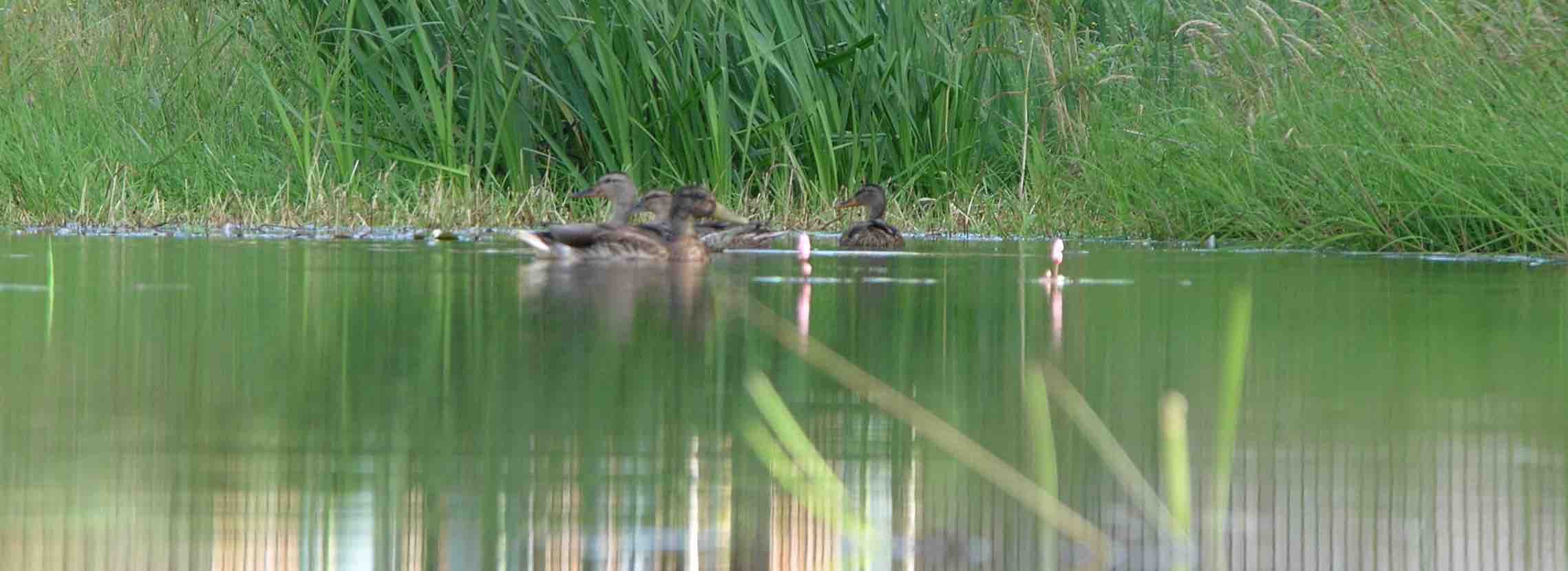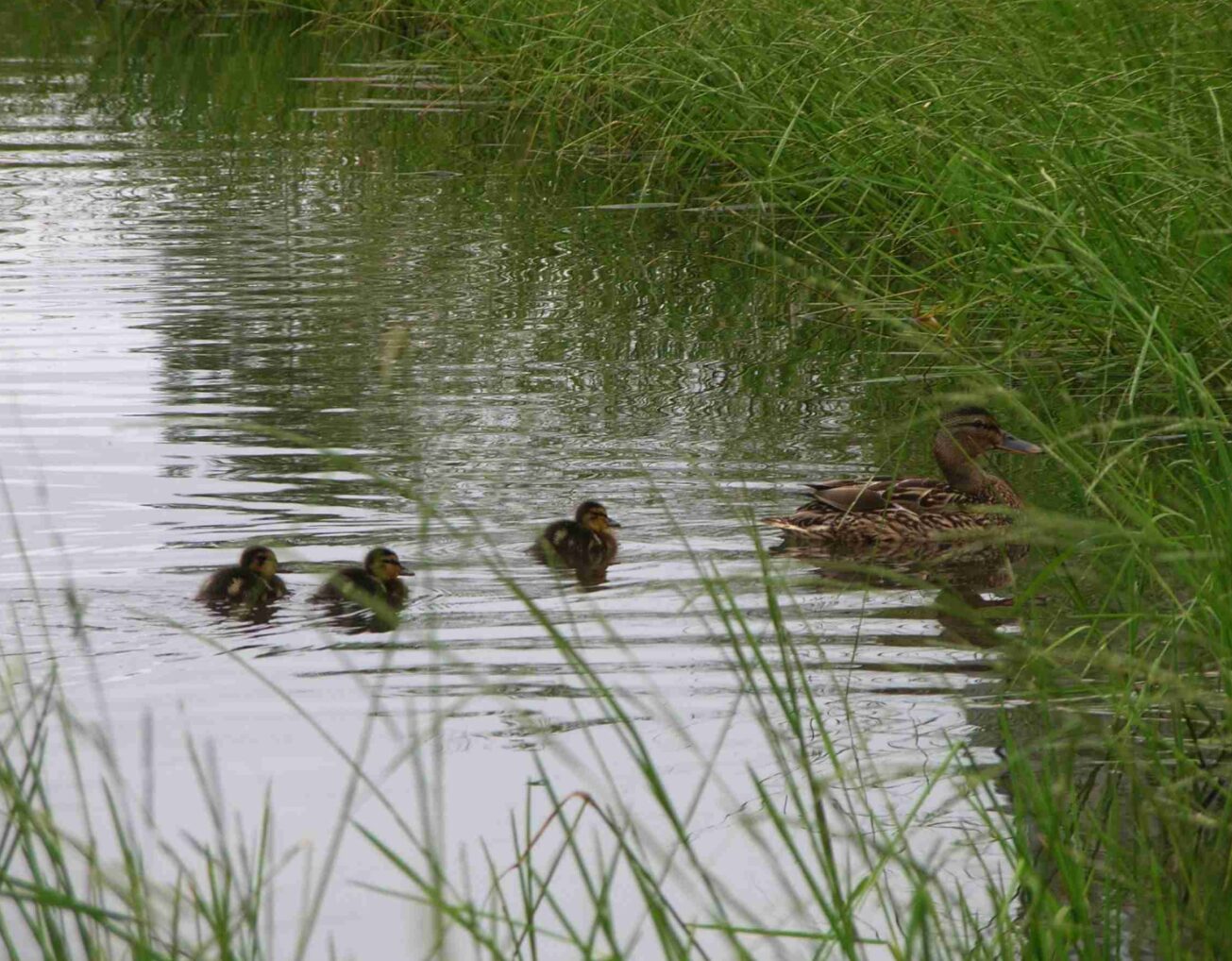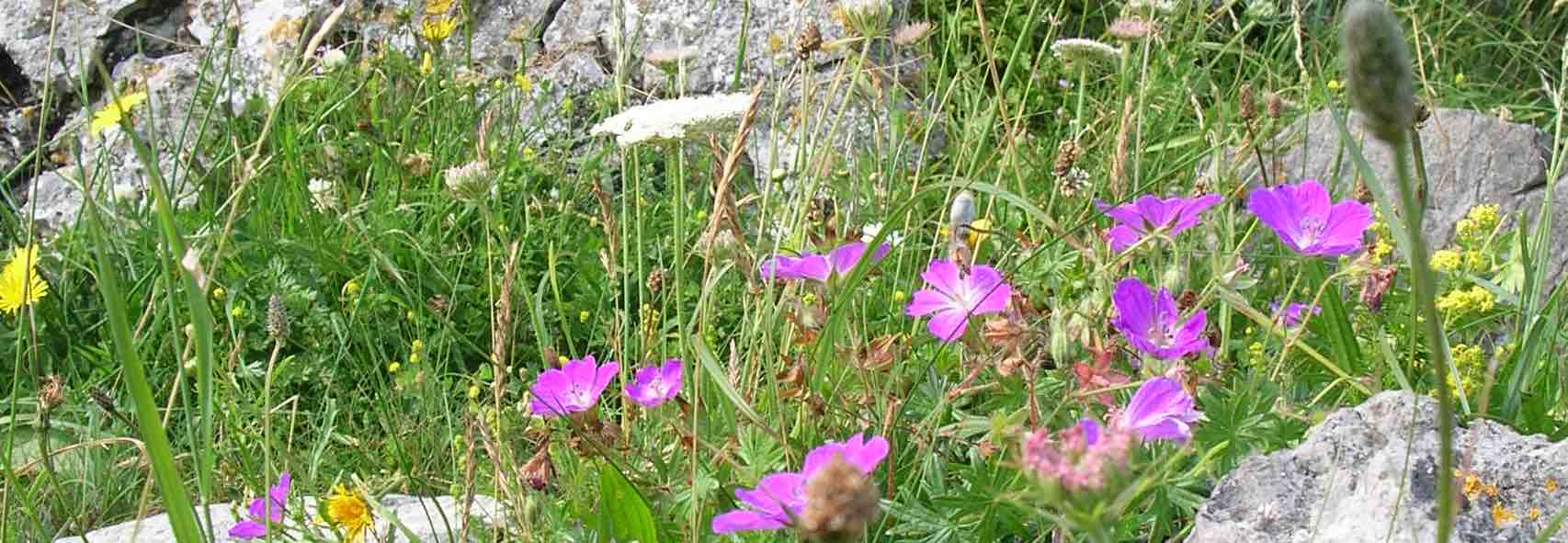
Wildlife gardens are specially designed and planted to provide the maximum benefit to birds, butterflies and bees, as well as attractive places for people. They tend to be lower maintenance than ordinary garden designs; allowing the wildlife to get on with its life and you to get on with yours. A wildlife garden can be any size, from a postage-stamp urban lawn surrounded by butterfly friendly shrubs and flowers, to large wildflower meadows with hedgehogs and sparrow hawks.

Have a look at Mary Reynolds’ We Are the Ark for a wealth of information and ideas about creating more wildlife friendly gardens.
At rock bottom it’s about doing less (mowing less in particular), living a bit more, listening to the birdsong and allowing nature to do its thing in your garden. Watch with curiosity to see what flowers emerge as you leave the mower in the shed for the spring. Mow some pathways to get around by all means, but leave good wide edges and larger central meadowy spaces and see what unfolds. We’ve seen birdsfoot trefoils carpet lawns, self-heal emerge at the edges, orchids pop up and thrive and spread year after year, even birch, willow and hawthorn emerge at the margins and reach for the sky.
Article link: Call of the Wild relating the natural successional process in a wildlife garden.